Why Is My String Of Pearls Dying: A Comprehensive GuideConclusion
Are you a proud owner of a string of pearls plant? Do you find it disappointing to see your beloved plant dying slowly? If the answer is yes, then you are in the right place. In this article, we will discuss why your string of pearls is dying and how you can revive it.
The string of pearls is a popular succulent that has become a favorite among plant enthusiasts in recent years. This plant's unique appearance and low maintenance requirements make it an ideal choice for people who love plants but have a busy lifestyle. However, despite its hardiness, the string of pearls is not invincible and can die due to various reasons. So, if you notice your plant looking dull or losing leaves, it's essential to identify the cause and take immediate action.
Reasons Why Your String Of Pearls Is Dying
1. Overwatering
Overwatering is one of the most common reasons why the string of pearls dies. This plant is native to arid regions and has adapted to store water in its leaves. Therefore, when you water it too much, the roots become waterlogged, causing them to rot. The best way to avoid overwatering is to let the soil dry out completely before watering again.
2. Underwatering
On the other hand, underwatering can also cause your string of pearls to die. When you don't water it enough, the leaves become wrinkled and eventually fall off. It's crucial to water your plant regularly and ensure the soil is evenly moist without getting waterlogged.
3. Poor Drainage
String of pearls requires well-draining soil to prevent water from accumulating in the pot. If your pot doesn't have drainage holes or if the soil is compacted, this can cause root rot leading to plant death. Make sure to use a pot with drainage holes and add perlite, sand, or gravel to the soil mix for better drainage.
4. Extreme Temperatures
The string of pearls thrives in warm temperatures between 60-85°F (15-29°C). However, when exposed to extreme temperatures, it can suffer from heat or cold stress leading to plant death. Avoid placing your plant near air conditioners, heaters, or windows that receive direct sunlight.
5. Pest Infestation
Pests such as mealybugs, spider mites, and scale insects can attack your string of pearls, causing damage to the leaves and eventually killing the plant. It's essential to inspect your plant regularly and treat it with insecticidal soap or neem oil if necessary.
6. Fungal Infections
Fungal infections such as powdery mildew or root rot can also cause your string of pearls to die. These infections are common in humid conditions or when the plant is overwatered. To prevent fungal infections, ensure good air circulation around your plant and avoid watering the leaves directly.
7. Nutrient Deficiency
A lack of nutrients such as nitrogen, phosphorus, or potassium can cause your string of pearls to become weak and eventually die. You can fertilize your plant with a balanced fertilizer specifically designed for succulents to provide the necessary nutrients.
8. Transplant Shock
Transplanting your string of pearls can cause shock to the plant, leading to leaf loss and even plant death. It's essential to be gentle when repotting and avoid disturbing the roots too much.
9. Genetic Weakness
Sometimes, your string of pearls may be genetically weak, making it more susceptible to disease or pests. If you notice multiple plants dying under similar conditions, it might be worth getting a new batch from a different supplier.
10. Overcrowding
If you have multiple plants in the same pot, they may be competing for resources, causing your string of pearls to die. It's essential to give each plant enough space and repot them individually if necessary.
How To Revive Your String Of Pearls
If you notice your string of pearls dying, there are several steps you can take to revive it:
- Identify the cause of the problem and take corrective action.
- Remove any dead or diseased leaves and stems.
- Repot the plant if necessary using well-draining soil.
- Reduce watering frequency and only water when the soil is dry.
- Move the plant to a more suitable location with good air circulation and appropriate lighting.
- Treat any pest infestations or fungal infections using insecticidal soap or neem oil.
- Fertilize the plant with a balanced fertilizer for succulents to provide nutrients.
It's important to remember that reviving a dying plant takes time and patience. Don't expect overnight results, and be consistent with your care routine.
Frequently Asked Questions
Q1. Can I save my string of pearls if all the leaves have fallen off?
Yes, you can still save your string of pearls even if all the leaves have fallen off. Cut the remaining stem into sections and propagate them in well-draining soil until new growth appears.
Q2. Why are my string of pearls turning yellow?
Yellowing leaves could be a sign of overwatering or nutrient deficiency. Check the soil moisture and fertilize the plant if necessary.
Q3. Can I grow string of pearls indoors?
Yes, string of pearls can be grown indoors as long as they receive adequate sunlight and are kept in a warm, humid environment.
Q4. How often should I water my string of pearls?
Water your string of pearls only when the soil is dry. This could be every two to three weeks, depending on the environmental conditions.
Q5. What kind of soil is best for string of pearls?
String of pearls requires well-draining soil that is light and airy. You can use a mix of cactus potting soil, perlite, and sand.
Q6. Can I propagate my string of pearls?
Yes, you can propagate your string of pearls by stem cuttings or division. Make sure to use well-draining soil and provide adequate moisture.
Q7. What are some common pests that attack string of pearls?
Common pests that attack string of pearls include mealybugs, spider mites, and scale insects.
Q8. Can I use tap water to water my string of pearls?
It's best to use filtered or distilled water to avoid exposing your plant to chlorine or other chemicals found in tap water.
Q9. How often should I fertilize my string of pearls?
Fertilize your string of pearls once a month during the growing season using a balanced fertilizer specifically designed for succulents.
Q10. Can I prune my string of pearls?
Yes, you can prune your string of pearls to encourage bushier growth and remove any dead or diseased leaves.
In conclusion, the string of pearls is a beautiful and low-maintenance plant that can bring joy to any indoor or outdoor space. However, it's crucial to understand its needs and potential problems to ensure its long-term health and survival. By following the tips and recommendations in this article, you can revive your dying string of pearls and enjoy its beauty for years to come.
14 Why is my string of pearls dying Images

Pin On String Of Pearls Plant

Natural Pearl Colors Pearl Color Pearls Pearl Jewelry

Pin On Pearls

Pin By Tam No Pin Limit Boards On La La Lovely Words Pearl

Pin On Want Want Wannttt
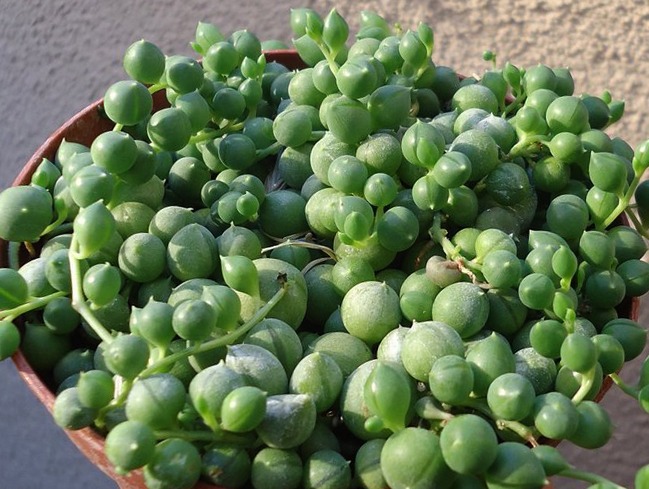
Pin By Hajal Lily On Plantsbank Succulents Indoor Succulents

Learn How To Knot Pearls Or Restring Pearlsyes Its Possible

Pin On Where I Want To Be

Pin On MyGardenAnswers

64 Trailing Houseplants Ideas In 2022 House Plant Care Indoor Plants

Pin On Pearls Before Swine

15 MustHave Fall Nail Colors From OPI Blush Pearls Dying Your

64 Trailing Houseplants Ideas In 2022 House Plant Care Indoor Plants

Httpd3d71ba2asa5ozcloudfrontnet12001418imagesstringofpearlshr2
Post a Comment for "Why Is My String Of Pearls Dying: A Comprehensive GuideConclusion"